

The finish you choose for your commercial space plays a crucial role in its overall aesthetic, durability, and budget. With a myriad of options available, it can be challenging to determine which material best suits your needs. This guide will delve into the pros and cons of some of the most popular finishes: veneer, laminate, and solid wood, helping you make an informed decision for your commercial project.

Solid Wood

Solid wood is a timeless and classic choice, prized for its natural beauty and durability. It refers to wood that is cut directly from a tree, offering a distinct grain pattern and a luxurious feel.

Pros

Durability & Longevity Solid wood is incredibly robust and can withstand significant wear and tear, making it ideal for high-traffic commercial areas. With proper care, it can last for decades.
Aesthetics Each piece of solid wood is unique, offering natural variations in grain, color, and texture that cannot be replicated. It exudes a sense of warmth, elegance, and authenticity.
Refinishable Scratches, dents, and other damage can often be sanded out and refinished, restoring the wood to its original glory. This extends the lifespan of the material and allows for aesthetic updates.
Value Solid wood adds significant value to a commercial space and can be a strong selling point.

Cons

Cost Solid wood is typically the most expensive option upfront due to the raw material and labor involved in its production and installation.
Maintenance It requires regular maintenance, including cleaning, polishing, and occasional re-sealing, to protect it from moisture, scratches, and fading.
Susceptibility to Environmental Factors Solid wood can expand and contract with changes in humidity and temperature, potentially leading to warping or cracking if not properly cared for.
Weight It is a heavy material, which can impact shipping costs and installation logistics.

Veneer

Veneer consists of thin slices of real wood, typically glued onto a less expensive core material like plywood or MDF (medium-density fiberboard). This allows for the aesthetic appeal of real wood at a more accessible price point.

Pros

Cost-Effective Veneer offers the look and feel of solid wood at a fraction of the cost, making it a budget-friendly option for larger commercial projects.
Stability The core material beneath the veneer provides greater stability, making it less susceptible to warping or cracking due to environmental changes compared to solid wood.
Variety Veneer is available in a vast array of wood species, cuts, and patterns, offering extensive design flexibility.
Lighter Weight Generally lighter than solid wood, making it easier to transport and install.

Cons

Durability While durable, veneer is not as robust as solid wood. Deep scratches or gouges can expose the core material underneath, which can be difficult to repair seamlessly.
Not Refinishable Unlike solid wood, veneer cannot be sanded and refinished multiple times. If the veneer layer is too thin, sanding can damage it irreparably.
Water Damage Prolonged exposure to moisture can cause the veneer to delaminate from its core.
Perception While offering a similar look, some may perceive veneer as less luxurious or authentic than solid wood.

Laminate

Laminate is a synthetic material made by fusing multiple layers of paper or fabric impregnated with resin under high pressure and heat. It's then typically topped with a clear protective layer that can mimic the appearance of wood, stone, or other materials.

Pros

Affordability Laminate is generally the most budget-friendly option among the three, making it highly attractive for large-scale commercial projects.
Durability & Resistance Modern laminates are highly resistant to scratches, impacts, moisture, fading, and heat, making them an excellent choice for high-traffic or demanding environments.
Low Maintenance It requires minimal maintenance, usually just a simple wipe-down with a damp cloth.
Versatility Laminate offers an enormous range of design options, including realistic wood grains, stone patterns, abstract designs, and solid colors. This allows for unparalleled creative freedom.
Consistency Unlike natural materials, laminate offers consistent color and pattern across large surfaces.

Cons

Appearance While laminate has come a long way in mimicking natural materials, it can still lack the depth, warmth, and authentic feel of real wood or stone.
Not Repairable If laminate is deeply scratched, chipped, or damaged, it is very difficult to repair seamlessly, often requiring replacement of the entire section.
Environmental Impact The manufacturing process of some laminates can have a higher environmental footprint compared to natural wood.
Lifespan While durable, laminate may not have the same longevity as solid wood in terms of overall wear and tear over several decades, though quality has vastly improved.

Making Your Choice

When selecting the ideal finish for your commercial space, consider the following factors:

  • Budget:
    Clearly define your financial constraints. Solid wood is the most expensive, followed by veneer, and then laminate.
  • Durability Requirements:
    How much traffic and potential wear and tear will the surface endure? High-traffic areas might benefit from the robustness of solid wood or the extreme durability of high-pressure laminate.
  • Aesthetic & Design Vision:
    What is the desired look and feel of your space? Do you prioritize natural authenticity or modern versatility?
  • Maintenance Capacity:
    How much time and resources are you willing to allocate to maintenance?
  • Sustainability Goals:
    Consider the environmental impact of each material if sustainability is a priority for your business.

Each material offers distinct advantages and disadvantages. By carefully weighing these factors against your specific commercial needs, you can confidently choose the finish that will best enhance your space’s functionality, aesthetics, and longevity.
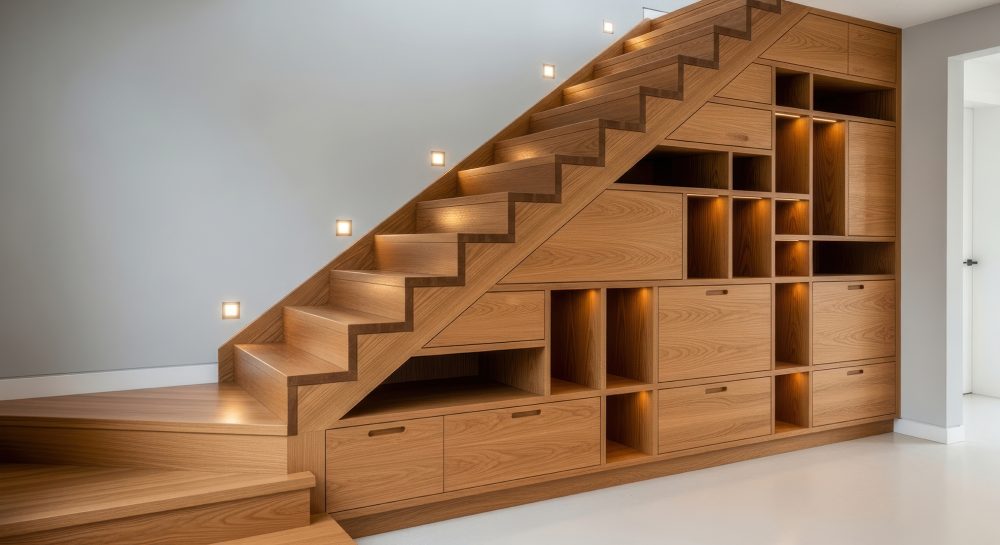
Bespoke Joinery