
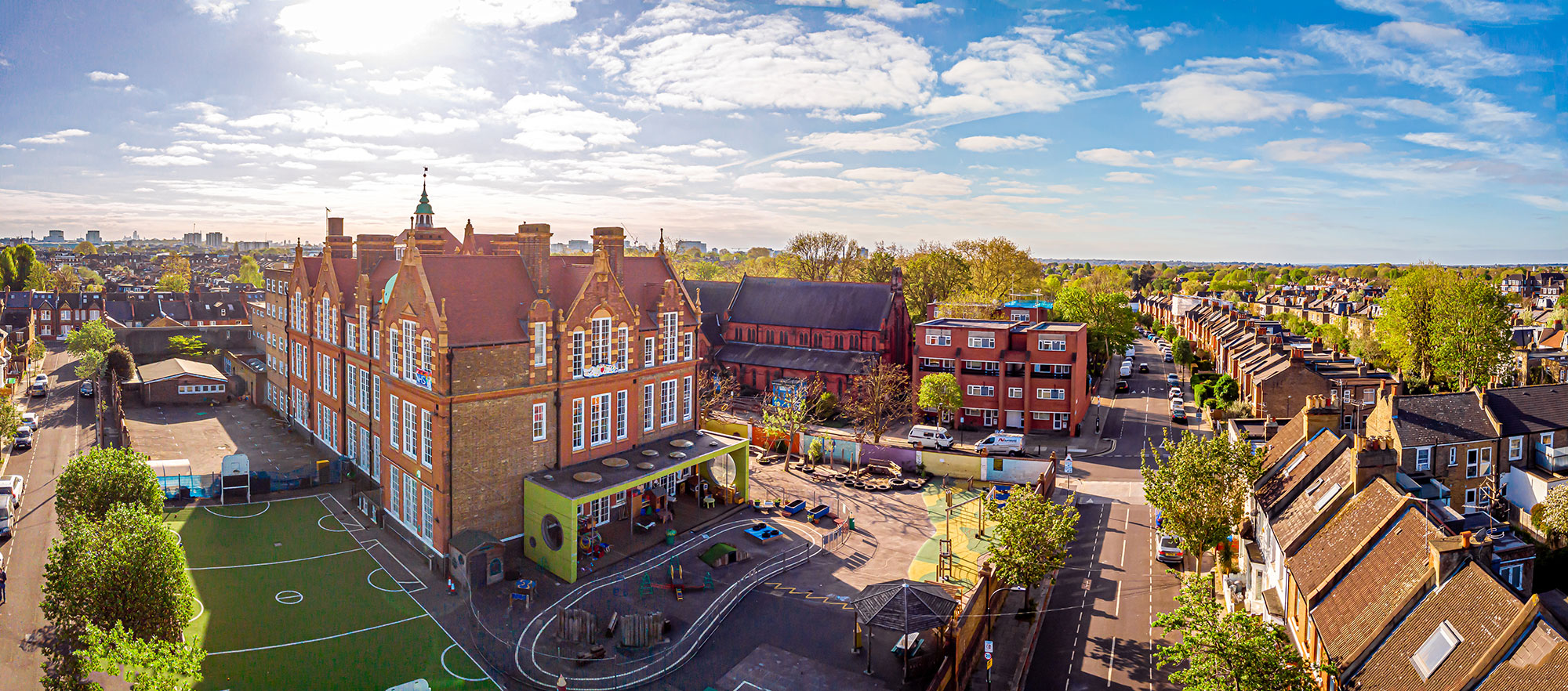
The school classroom of 2026 bears little resemblance to the rigid, forward-facing rows of the past. As pedagogical methods shift toward collaborative, technology-integrated, and neuroinclusive learning, the physical requirements for education spaces have fundamentally changed. For school leaders and contractors, staying compliant—and competitive—means understanding that the modern classroom is no longer just a container for a lecture; it is a dynamic tool for student engagement.
The Rise of the “Agile” Classroom
In 2026, the primary requirement for any educational fit-out is agility. Static environments are the enemy of modern teaching. Under the latest Building Bulletin (BB103) area guidelines, schools are moving away from dedicated, single-use rooms in favor of flexible layouts.
This shift is driven by the need for “rapid transition.” Within a single 60-minute period, a classroom might need to function as a lecture hall, a small-group collaboration zone, and an individual “deep work” station. To facilitate this, furniture requirements have evolved to include:
- Foldable and Nesting Desks: Allowing floor space to be cleared in seconds.
- Agile Teacher Walls: Integrating storage, charging ports, and interactive displays into a single modular unit.
- Mobile Power Solutions: Moving away from wall-tethered desks to battery-powered hubs or “busbar” track systems in the ceiling.
Designing for Neurodiversity and Wellbeing
Inclusive design is no longer a bolt-on; it is a core statutory requirement. In 2026, “accessibility” goes far beyond wheelchair ramps. Architects are now focusing on neuroarchitecture—designing for students with ADHD, autism, and sensory processing sensitivities.
Acoustics play a vital role here. Adherence to BB93 (Acoustic Design of Schools) is stricter than ever, with a focus on reducing reverberation times that can lead to “cognitive load” and student fatigue. Modern education requirements now frequently include:
- Acoustic Zoning: Using suspended baffles and sound-absorbing bespoke joinery to create “quiet pods” within busy communal areas.
- Biophilic Integration: Increasing requirements for natural light (BB90 compliance) and views of greenery, which have been proven to reduce cortisol levels and improve focus.
The Digital Backbone
As AI-assisted learning and immersive VR/AR become staples of the curriculum, the “hidden” requirements of a school building are its most critical. In 2026, the Department for Education’s (DfE) Digital and Technology Standards mandate that every school refurbishment must include robust, high-density Wi-Fi 7 networks and integrated “Invisible Tech.”
This means furniture must be designed with cable management that prevents trip hazards while providing USB-C PD (Power Delivery) at every workstation. It also involves the creation of “Makerspaces”—technical hubs equipped with 3D printers and robotics stations—which require specialized ventilation (BB101) and durable, chemically resistant work surfaces (SGL).
Sustainability: The Net Zero School
Finally, the “School of 2026” is a sustainable one. Following the Net Zero Carbon in Operation mandate, new education buildings are increasingly designed to Passivhaus standards. This means high-performance thermal envelopes, heat recovery ventilation, and the use of low-VOC, circular-economy materials in every interior fit-out.
Conclusion
Meeting education requirements in 2026 is a balancing act between high-tech infrastructure and human-centric comfort. By prioritizing flexibility, inclusivity, and sustainability, schools can create environments that don’t just house students, but actively inspire them to learn.