
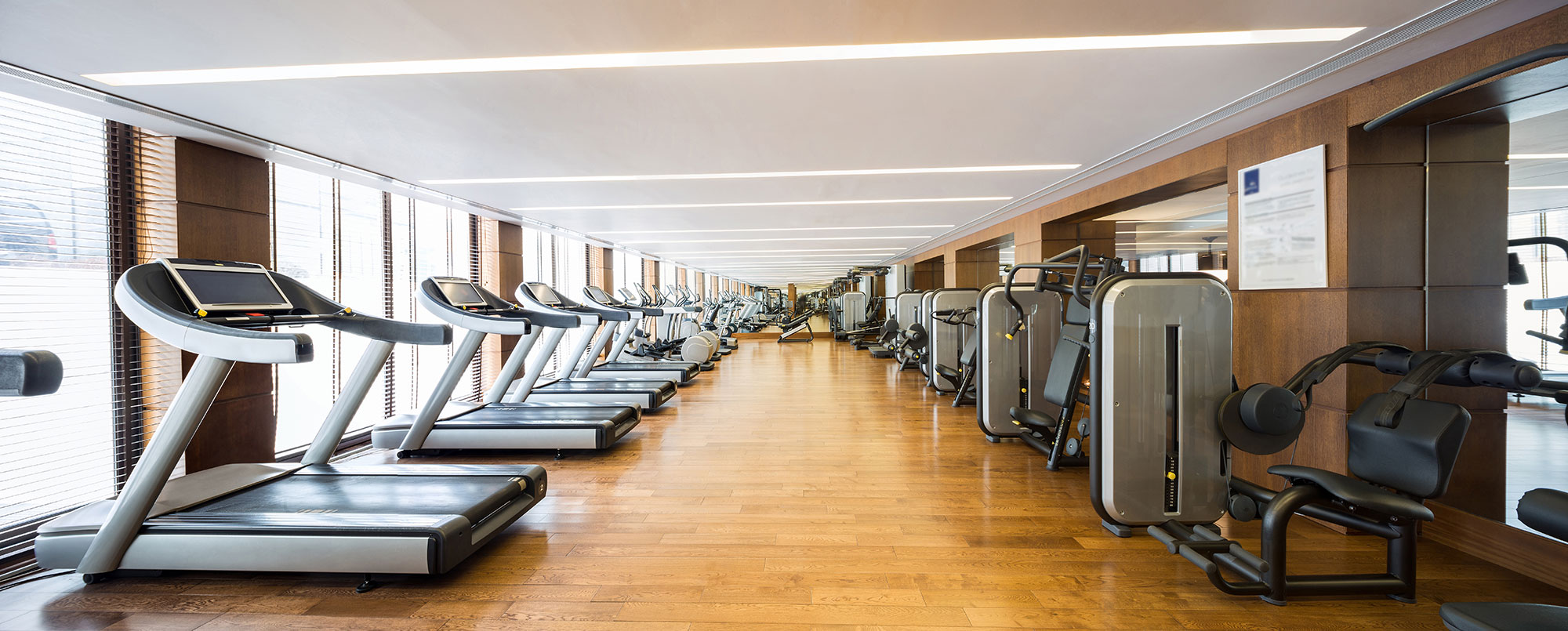
In 2026, the local leisure centre is no longer just a place to “go for a swim” or “hit the gym.” It has evolved into a vital community health hub. As consumer demand shifts toward longevity, mental well-being, and social connection, leisure refurbishments are moving away from rows of treadmills in favour of high-end, multi-functional spaces that rival luxury boutiques. For local authorities and private operators, the goal is clear: transform functional facilities into holistic destinations.
The Rise of the Recovery Zone
The biggest shift in 2026 leisure design is the elevation of Recovery from an afterthought to a core service. Refurbishments are now carving out significant floor space for “Bio-Sync” zones—areas dedicated to aligning physical activity with circadian rhythms.
We are seeing a surge in “Spa Retreat” style additions within public facilities, featuring:
- Contrast Therapy Suites: Integrating traditional saunas with cold-plunge pools.
- Compression & Breathwork Bays: Dedicated quiet zones with semi-private “pods” for guided meditation and recovery tech.
- Social Wellness Spaces: Moving the “third space” into the leisure centre with high-end cafes and coworking zones, encouraging members to linger long after their workout.
High-Traffic, High-Style: The Material Shift
Modern leisure refurbishments must balance “indestructible” durability with “instagrammable” aesthetics. In 2026, the “soft industrial” look is dominant. This involves pairing exposed concrete and metalwork with warm, biophilic elements like vertical moss walls and reclaimed timber joinery.
Materials are being chosen for their sensory impact. Hard, echoing sports halls are being softened with advanced acoustic baffles, while changing rooms are moving toward “unisex-plus” villages—private, high-spec cubicles that offer hotel-standard lighting and luxury stone-effect finishes. These spaces are designed to reduce the “institutional” feel and make the member experience feel premium and inclusive.
Invisible Technology and Smart Integration
The “Smart Gym” has matured. In 2026, tech is no longer about bulky screens on every bike; it is invisible and integrated. Refurbishments now include “Invisible Soft Tech”—sensors woven into flooring and equipment that track biomechanics and “bio-age” without the user needing to manually log data.
From an operational standpoint, refurbishments are focusing on Smart Building Systems. These allow facilities to automatically adjust lighting and HVAC based on real-time occupancy and “mood zoning,” ensuring a yoga studio feels serene while a HIIT zone feels high-energy and well-ventilated.
Sustainability as a Competitive Edge
With the 2026 “Retrofit First” policies in major cities like London, refurbishments are being prioritized over new builds. A major requirement of any modern leisure project is Deep Decarbonisation. This includes:
- Replacing aging gas boilers with air-source or ground-source heat pumps.
- Installing solar PV arrays on large sports hall roofs.
- Using “Circular Design” furniture that can be easily repaired or recycled.
Conclusion: Investing in Connection
Leisure refurbishments in 2026 are about creating emotional attachment. By focusing on recovery, premium materials, and sustainable tech, operators are creating spaces where people choose to spend their most valuable resource: their time. The most successful projects this year are those that recognize a leisure centre is no longer just a building—it’s a partner in the community’s long-term health.