
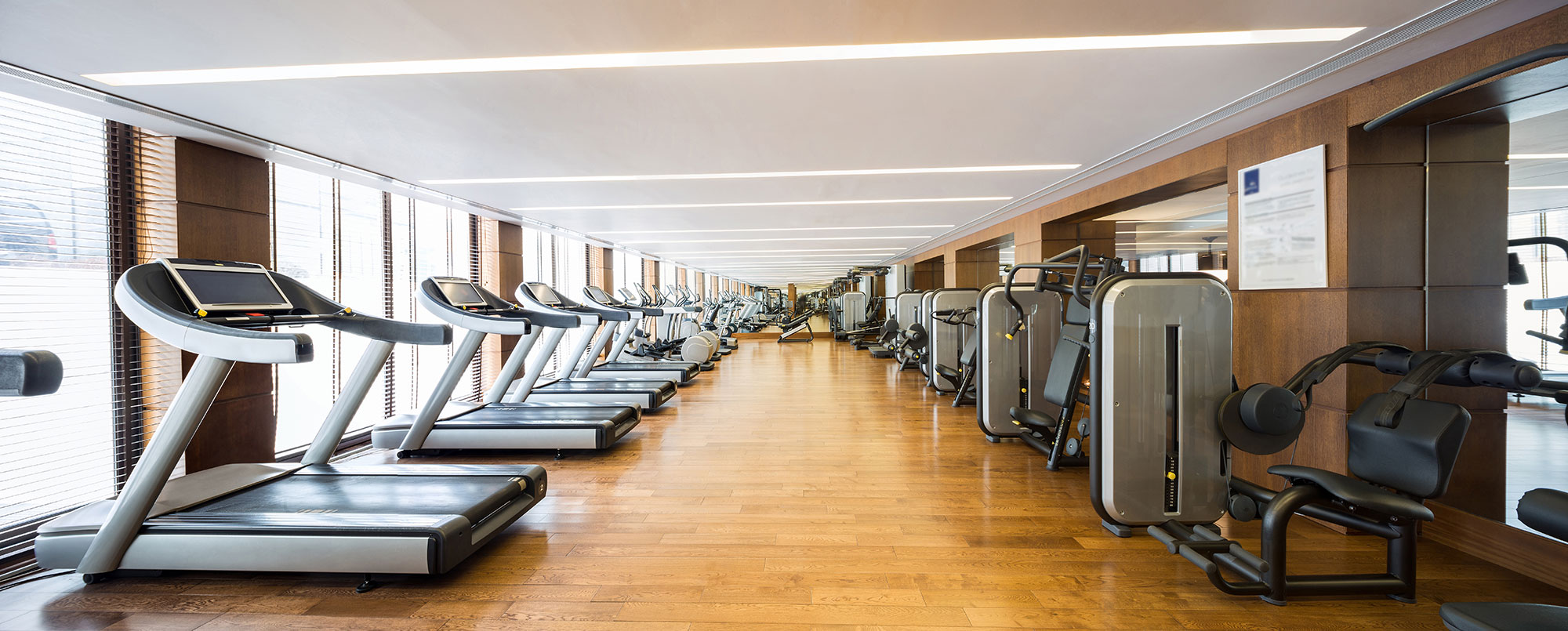
In an era of mass-produced flat-packs and modular “off-the-shelf” solutions, bespoke joinery has emerged as the true differentiator for commercial and high-end residential spaces in 2026. No longer just a luxury add-on, custom craftsmanship is now a strategic tool used to solve complex spatial puzzles, hide technology, and express brand identity. As we move away from “one-size-fits-all” design, here are the joinery trends and ideas defining the most sophisticated interiors this year.
The “Invisible Tech” Integration
One of the primary drivers for bespoke joinery in 2026 is the need to house technology without it dominating the room. The “Smart Office” and “Connected Home” are full of wires, hubs, and screens that can easily clutter a minimalist aesthetic.
Custom joinery allows for seamless tech-integration, such as:
- Media Concealment Walls: Motorized timber panels or “sliding libraries” that hide large displays when not in use.
- Integrated Induction Charging: Wireless charging points milled directly into solid wood surfaces, marked only by subtle laser-etched icons.
- Acoustic Joinery: Wall panelling that doubles as a sound-absorption system, using micro-perforations and hidden acoustic backing to manage noise in open-plan spaces.
Sculptural Reception Desks: The Brand Handshake
First impressions are unrepeatable. In 2026, the reception desk has evolved from a functional counter into a sculptural statement. We are seeing a move toward organic, fluid forms that utilize 5-axis CNC machining to create curves that were previously impossible or prohibitively expensive.
By combining natural timber veneers with contrasting materials like cold-rolled steel, fluted glass, or sustainable bio-resins, bespoke joinery creates a “hero piece” that communicates a company’s values—innovation, stability, or warmth—the moment a visitor walks through the door.
Hidden Functionality and “Narnia” Storage
Space is at a premium, leading to the rise of “Narnia” joinery—hidden rooms and storage solutions tucked behind what appear to be standard wall panels. In commercial fit-outs, this includes:
- Concealed Kitchenettes: Full-service coffee stations and break-room facilities hidden behind pocket doors that slide away to maintain a clean hallway aesthetic.
- Under-Stair Architecture: Turning dead space into highly organized “logistics hubs” for deliveries or employee lockers.
- Pivoting “Zen” Pods: Large-scale joinery units that can rotate to create a private focus booth or open up to become a collaborative whiteboard zone.
Sustainability and Material Honesty
In 2026, the “Story of the Wood” matters as much as the finish. Clients are increasingly demanding Material Honesty, opting for “Live Edge” features or reclaimed timbers that showcase natural imperfections rather than hiding them.
Bespoke joinery is also leading the charge in circularity. Craftsmen are now designing units that are “built for disassembly”—using traditional mechanical joints rather than permanent glues. This ensures that if a company moves or a space is refurbished, the high-quality joinery can be taken down, reconfigured, and reused, preserving both the carbon investment and the craftsmanship.
Conclusion
Bespoke joinery is where architecture meets furniture. In 2026, it is the bridge between a building’s cold shell and the warm, functional environment people actually want to inhabit. Whether it’s through hidden storage, sculptural branding, or the seamless integration of AI tech, custom joinery remains the ultimate way to make a space truly one-of-a-kind.